 FORS Gold & ISO 9001 Certified
 Risks of Fly Tipping: Understanding the Threats to Vacant Sites
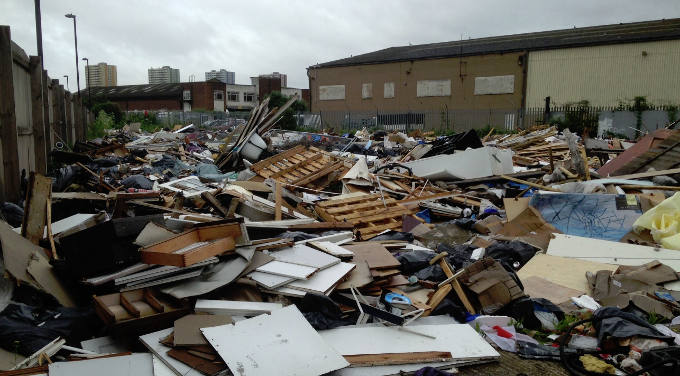
For owners and managers of commercial and industrial sites, particularly vacant properties, fly tipping (the disposal of waste in unauthorised areas) is both an unsightly nuisance and a persistent threat. It carries immense weight, from a legal, financial, environmental and operational perspective, which can result in an array of short- and long-term security concerns, not just for the property but its inhabitants as well.
Local authorities in England spend millions each year addressing and rectifying fly tipping, draining funds and resources that could otherwise be spent on other community services. Unfortunately, it’s landowners and property owners who bear the brunt of the negative outcomes; not only can fly tipping dampen the area’s appeal and perceived safety, but it can deter potential visitors, tenants and investors of the uninhabited site, and, worst of all, put everyone’s safety at risk. Fly tippers see an opportunity and seize it, so it’s imperative to address the risks and consequences of unauthorised fly tipping to uphold proper security etiquette and keep the vacant property’s value intact before it’s inevitably purchased or repurposed.
Is Fly Tipping Illegal?
Yes, fly tipping is a criminal offence under the Environmental Protection Act 1990. However, what many property owners don’t realise is that landowners can be held responsible for clearing illegally discarded waste from their sites, even when they’re not responsible for the dumping itself. This causes frustration among property managers who, invariably, bear the cost and inconvenience of someone else’s criminal activity.
The penalties for fly tippers themselves are severe (ranging from unlimited fines to imprisonment of up to five years in serious cases) but this offers little comfort when you’re facing a site contaminated with abandoned waste, particularly if it happens constantly. Prosecuting offenders requires tangible evidence, which takes time and resources to collate and present, not to mention the fact that perpetrators rarely leave any identification behind.
Why Vacant Properties Become Fly Tipping Targets
Fly tippers are drawn to empty commercial and industrial sites like moths to a flame. If they suspect an area is empty, with no regular footfall, security infrastructure, or physical perimeter protection, there’s a high chance they can dispose of waste conveniently and without reprisal. Criminals exploit this vulnerability, using vacant sites to avoid legitimate waste disposal costs.
What’s worse is that the problem regularly snowballs, whereby other fly tippers spot that the unmonitored and unsecured location is prime grounds for disposal. Thus, before long, rubbish piles can escalate, including furniture, building waste, white goods, vehicles, metals, timber and all sorts of potentially environmentally damaging materials. The longer that sites remain unaddressed and accessible, the more likely they are going to be exploited.
Issues Facing Property Owners
Financial Risks
Fly tipping clearance costs can be substantial. Not only is there the costs of immediate removal of waste, but there may be specialist disposal fees for hazardous materials like asbestos or chemicals. Pest control services may also be necessary if waste attracts vermin, and so might soil contamination remediation if toxic substances have seeped into the ground. Even post-clearance, these services may be needed time and time again, especially if security is not rectified.
Health and Safety Hazards
Fly tipped waste poses several risks to people’s health and safety, ranging from sharp offcuts of metals or construction debris, or unstable, heavy piles of waste that could topple and crush somebody. Electricals often carry harmful chemicals which, if not properly disposed, can release into the atmosphere, hence the need for proper WEEE removal. General waste will also invariably attract rats and disease-carrying pests, not to mention materials like timber, fabrics and paper being prone to fire risks; an array of combustible materials often appear in fly tipped piles. This can result in serious damage and spread to neighbouring sites, as well as pose liability concerns.
Reputational and Commercial Impact
For businesses planning to sell, lease, or redevelop a property, fly tipping creates immediate complications. Sites contaminated with waste appear neglected and poorly managed, deterring potential buyers or tenants. Such unsightly collections can also damage your organisation’s reputation within the community, particularly if you’ve not made visible efforts to correct it, which, even though it’s not your fault, can take an emotional toll. If you’re visibly engaging with local authorities and overtly attempting to secure planning permissions, fly tipping problems can be rectified while upholding your perceived commitment to responsible vacant site management.
Environmental Consequences
Beyond the immediate property concerns, fly tipping causes lasting environmental harm. Non-biodegradable materials like plastics don’t break down easily, but when they do, they’re merely reclassified as microplastics that contaminate soil. Many hazardous substances leach into groundwater which can affect wider ecosystems and even drinking water cleanliness. Wildlife is also affected by persistent fly tipping. Animals can become trapped in waste piles, potentially ingest toxic materials, or have their habitats destroyed. This can result in further regulatory scrutiny and potential legal responsibilities imposed on, once again, landowners.
How to Manage Fly Tipping Effectively
Whilst waiting for comprehensive vacant property security measures to be installed, property managers can take several immediate steps to minimise fly tipping risks:
- Engage regular site visits and inspections to show properties are being monitored
- Photographic and timestamped evidence if incidents occur
- Clear signage and notices to deter trespassers and illustrate how incidents will be reported to authorities
- Maintaining some regular activity on-site, even periodic, signals that the property isn’t entirely abandoned
- Build good relationships with neighbouring businesses or residents to provide extra eyes on your property, who may be on-hand to catch opportunistic criminals while you’re away
Develop a Comprehensive Vacant Site Security Solution
However, interim measures only go so far. Effective protection requires physical security that prevents unauthorised access entirely, which is where professional vacant property protection becomes essential.
- Purpose-built concrete barriers and blocks, strategically positioned to prevent vehicle access, can be a great first line of defence.
- Steel doors and fencing can be deployed to secure entrances and deter unauthorised pedestrian access.
- Bollards can be retrofitted to protect potentially vulnerable sites.
- CCTV can be installed to provide 24/7 coverage of your premises, not just to safeguard access to your building(s) but also to catch perpetrators in the act with timestamped evidence.
- Security patrols with trained handlers and dogs also provide a high-value layer of protection.
The investment in proper security typically proves far more cost-effective than repeatedly arranging for fly tipping waste clearance services, not to mention the fines and penalties imposed on you as a landowner or property owner. Ultimately, you’re investing in upholding high standards, which only improves your property’s inherent long-term value, eliminates liability risks, and allows you to safeguard your building’s future rather than continually managing an abundance of individual issues simultaneously.
If your commercial or industrial site is experiencing fly tipping, or if you’re concerned about protecting a vacant property from this risk, professional intervention makes both practical and financial sense. Combining swift fly tipping clearance with comprehensive security measures provides the complete solution that property managers need.
Contact Maltaward today to discuss how our specialist services can protect your site, eliminate ongoing clearance costs, and give you peace of mind that your property is secure until its next chapter begins.