
 FORS Gold & ISO 9001 Certified
 Versatile and durable: why you need interlocking concrete blocks
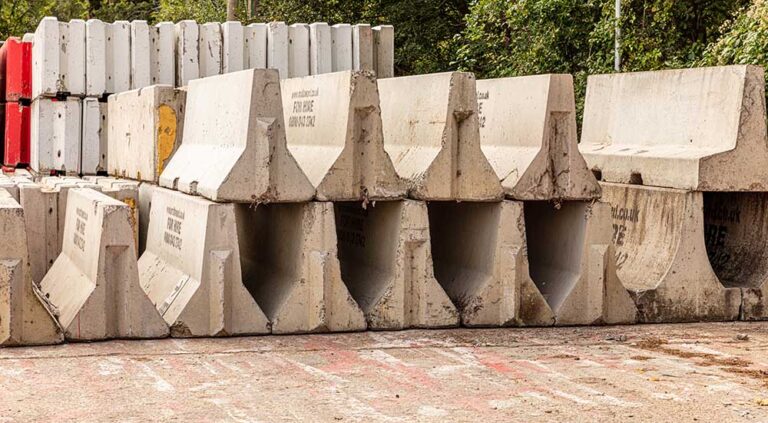
Interlocking concrete blocks are modular blocks that lock together without the use of mortar. Made from poured concrete, they feature protrusions that allow them to securely interlock, providing a strong, stable structure.
Unlike standard concrete blocks or bricks, interlocking blocks can be stacked and arranged in various patterns without any bonding agent. Their innovative design makes them incredibly versatile and durable, ideal for both homeowners and contractors in the UK.
Powerful and durable
The durability of interlocking concrete blocks is unmatched. Made of poured concrete, the blocks are naturally resistant to weathering and environmental damage. They do not rot, warp, or decay over time. The concrete material can withstand exposure to rain, snow, and extreme temperatures without compromising its structural integrity or appearance.
Interlocking concrete blocks also have a long lifespan and require very little maintenance. Once installed, the blocks essentially last forever, never needing replacement or repair. The interlocking design also eliminates the need for mortar, so there are no joints to seal or cracks to patch.
One of the most popular uses of interlocking concrete blocks is for retaining walls, some of which can last 30 years or more with barely any upkeep required. The weight and mass of the concrete blocks make them perfectly suited for withstanding the lateral pressures from soil and rock. Interlocking concrete block retaining walls are a lasting and cost-effective solution thanks to the exceptional durability of the material.
Highly versatile
Interlocking concrete blocks offer unmatched versatility for commercial applications. For business owners and landlords, interlocking concrete blocks are an adaptable, affordable building material for property improvements. These blocks are commonly used for paving car parks, pathways, and patios at retail locations, restaurants, and other public venues. Their durability handles vehicle traffic and high foot traffic well.
Interlocking blocks also work well for expansions and renovations. Seating walls, planters, and retaining walls with an interlocking block base provide flexible ways to reimagine outdoor spaces. For creating channels, storage bins or posts, interlocking blocks offer simple, durable solutions. They are ideal for quick repairs or temporary structures since no mortar is needed. Their modularity allows for easy and efficient disassembly and reconfiguration.
The styles of interlocking concrete blocks suit diverse commercial hardscaping needs. Plain blocks offer an economical and utilitarian option, while split face or cobblestone blocks can create an upscale look for entranceways or entertainment areas. For gardens, pathways and elsewhere, blocks achieve distressed or historic appearances with minimal cost or effort.
From warehouses to office parks, interlocking concrete blocks adapt to fit the scale and style of any commercial landscape design. They are a go-to material for contractors looking to implement small- and large-scale changes with maximum efficiency and budget-friendliness. Easy to work with, resistant to damage, and built to last, interlocking concrete blocks make a dependable and cost-effective choice for improving or revamping commercial properties. Their versatility, durability and affordability are unmatched for landlords and business owners.
Made to withstand weathering and damage, interlocking blocks have a long service life with minimal maintenance required. They adapt to any style and serve many purposes, from paving car parks to creating decorative walls. With interlocking blocks, spaces can be reimagined and redesigned without hassle.
Whether you’re running an event, protecting your commercial property, or managing a temporary site, interlocking concrete blocks should be considered for their many benefits. Tough, versatile, and simple to work with, interlocking blocks make improvements and repairs accessible. They bring efficiency, affordability, and longevity to any project.
Thanks to their ingenious yet straightforward design, interlocking concrete blocks prove a dependable building solution for businesses looking to develop inviting, hard-wearing spaces. They satisfy a breadth of needs with their exceptional durability and adaptability.
Applications in Construction and Security
Interlocking concrete blocks are often used for:
- Temporary or permanent site security – as concrete barriers or interlocking concrete barriers for construction sites and public events.
- Retaining walls – providing structural support for landscaping and large-scale civil projects.
- Storage bays and industrial use – for aggregates, materials, or waste separation.
- Hard landscaping and commercial features – including planters, seating walls, and decorative structures.
- Temporary structures or repairs – ideal for quick setups, modular layouts, or temporary events.
Their flexibility, durability, and ease of installation make them a dependable choice for contractors, business owners, and developers alike.
Why Choose Interlocking Blocks
Interlocking blocks outperform traditional bricks or breeze blocks in strength, versatility, and installation speed. Benefits include:
- Mortar-free installation for speed and simplicity
- Modular design for easy expansion and reconfiguration
- Durable, weather-resistant concrete for long-term performance
- Ability to support heavy loads, including vehicle traffic
- Flexible aesthetic options, from plain to textured finishes
Styles and Configurations
Interlocking blocks come in a range of shapes, sizes, and finishes:
- Standard modular blocks – highly adaptable for general construction.
- Split-face or textured blocks – for decorative and commercial use.
- Large retaining wall blocks – ideal for structural or landscaping applications.
Their adaptability ensures they meet the needs of various projects, from practical solutions enhancing landscaping projects while providing structural benefits.
Frequently Asked Questions
What are interlocking concrete blocks?
They are precast concrete units designed to interlock without mortar, creating stable and durable walls, barriers, and structures.
How are interlocking blocks installed?
They are placed on a level surface, stacked, and aligned so that the interlocking features secure the blocks together.
Can interlocking blocks be used for building houses?
While primarily used for retaining walls, barriers, and landscaping, specialized interlocking systems can be used in modular or low-rise building applications.
Are interlocking blocks suitable for retaining walls?
Yes. They provide excellent structural support for gravity-retaining walls, withstanding lateral soil pressure effectively.
Can interlocking blocks function as concrete barriers?
Yes. Interlocking blocks can serve as heavy-duty barriers for site security, traffic control, or perimeter protection.
What maintenance do interlocking blocks require?
Very little. They are weather-resistant, durable, and require minimal upkeep beyond occasional inspection.
Partner With Maltaward
Interlocking concrete blocks are a versatile, durable, and cost-effective solution for construction, landscaping, and site security. For expert advice on the right interlocking blocks for your project, contact the Maltaward team today to discuss your project.